
You walked out to the back forty and the old steel tank is the color of a rusty nail. Maybe it holds water, feed, fuel or nothing at all anymore. Either way, the paint is gone in sheets, the seams are weeping orange, and you are wondering whether it is worth saving. Steel tank sandblasting is how you find out, and in Columbia County it is usually worth a look before you scrap anything.
Here is the short answer. If the steel is still thick and sound, blasting it back to clean metal and coating it the same day will buy you another decade or two. If it is rotted through, no abrasive on earth fixes that, and we will tell you so before we ever set up.
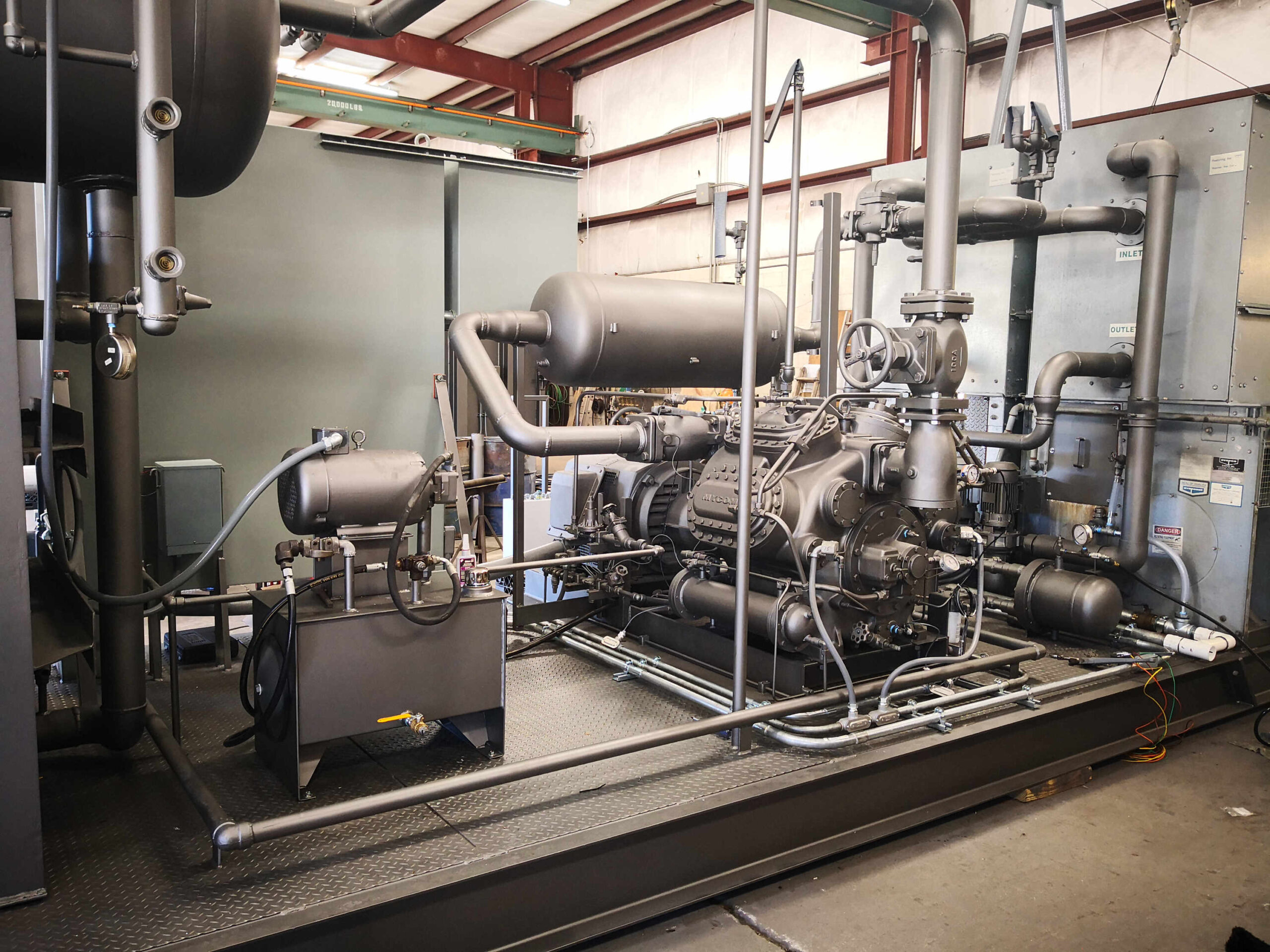
What Steel Tank Sandblasting Actually Covers
Out here the tanks come in every shape. Elevated water tanks on a farm well, steel feed hoppers, propane and fuel skids, pole-barn storage tanks, old grain bin panels, and the odd stock tank welded up from plate. Steel tank sandblasting on all of them comes down to the same job: take off the failed coating, the rust and the mill scale, and leave bare steel with a surface profile the new coating can grip.
That profile is the part nobody sees and everybody pays for later. It is the tiny peak-and-valley texture the abrasive cuts into the metal. Too smooth and the primer peels. Too rough and the peaks poke through a thin coat and rust again. Matching the media and pressure to the steel is the whole craft. If you want the plain-English version of the standards behind it, our post on SSPC surface preparation grades walks through it.
We handle the exterior surfaces of tanks on your property. Our metal sandblasting service comes to you with the rig, so nothing has to be unbolted, hauled or drained into a trailer first.
Rule 1: Check the Wall Before Steel Tank Sandblasting
Rust that looks terrible on the surface is often just surface. Rust that looks mild can hide a pinhole. Before anyone blasts a tank, we like to look at the metal and find out how much steel is actually left.
Pitting is the tell. A tank that is evenly rusty all over usually has plenty of wall left. A tank with deep craters along the bottom seam, around the fittings, or where water pooled against the base is a different story. Steel tank sandblasting on a pitted tank will open pinholes that the old rust scale was quietly plugging. That is not the blaster being careless. That is the rust telling the truth.
So here is the honest part most shops skip. If a tank holds something you cannot afford to leak, a sound-wall check by someone qualified comes first, and we are not a tank inspection company. We blast and coat. We will point out what we see, but we will not pretend to certify a vessel.
Rule 2: Know What Is Inside Before Anyone Touches It
Never blast a tank that still holds fuel, fumes or anything flammable. Static, sparks and vapor do not mix, and that is not a place to cut corners. Tanks that held fuel or chemicals need to be emptied, cleaned and made safe by the owner or a qualified tank service before any blasting starts.
Interior tank lining and confined-space work is a specialty job with its own permits and safety gear. We do not do it, and we will not take a job that needs it. What we do is the outside of the steel: stripping, cleaning and prepping the exterior so a coating system can go on right. If your project needs the inside done too, we will tell you straight and point you toward who should handle that part.
For the safety rules that apply to abrasive blasting itself, OSHA’s abrasive blasting page is the place to start, and we work to it on every job.
Rule 3: Check the Old Paint for Lead First
A lot of the steel sitting on Columbia County farms was painted decades ago. Older coatings can contain lead, and lead changes how the job gets done: how we contain the debris, how the waste is handled, and what gear the crew wears.
If your tank was painted before the late seventies, assume it might. We cover the details in our lead paint safety post. The short version is that you do not want to find out after the dust is already in the air. Tell us the age of the tank and we will plan around it.
Rule 4: Pick the Steel Tank Sandblasting Media for the Steel
Thick plate tanks, thin sheet-metal hoppers and cast fittings do not all want the same abrasive. Heavy plate can take an aggressive media and a deeper profile. Thin sheet can warp or pit if you hit it too hard, so it gets a gentler touch and lower pressure.
Dry blasting is fast and cuts a strong profile, which is why it is the workhorse for big steel. Dustless blasting uses water to keep the cloud down, and it earns its place when the tank sits near a house, a barn, hay or animals. It also brings its own wrinkle: wet steel flash rusts quickly, so the rust inhibitor and the timing matter. Our dustless and green blasting service is the answer when dust is the real problem on your property.
The right pick depends on the site, not the invoice. Same crew, same quote approach, we choose by the job.
Rule 5: Coat It the Same Day, Because Florida Won’t Wait
This is where steel tank sandblasting jobs go wrong more than anywhere else. Bare steel in North Florida starts flash rusting in hours, sometimes before lunch if the humidity is sitting heavy. A beautifully blasted tank left overnight under a dew point like ours will wear a fresh orange haze by morning, and the primer goes over that haze like paint over grease.
We have a full breakdown in our post on flash rust on bare steel in Florida, and every word of it applies to tanks. The fix is simple and a little unglamorous. Blast a section, prime that section, move on. Nothing sits bare while we go to supper.
Because we blast and coat with the same people, there is no gap where one contractor leaves and another shows up three days later. Our painting services cover the primer and topcoat so the metal is protected before the day is over.
Rule 6: Choose a Coating Built for the Tank’s Real Life
A tank in full sun, baking on a farm lane, has a different life than a tank in the shade of live oaks or one sitting near the river where the air stays damp. Heat, UV, standing water at the base and constant moisture are what kill coatings here.
The base of a tank is the weak spot almost every time. Water collects where steel meets concrete or soil, and that is where the paint fails first. A good job pays extra attention to the bottom edge, the seams and the weld lines: stripe coats on the edges, full coverage in the crevices, and a plan to keep the base from sitting in a puddle.
If you want to compare coating systems before you decide, our post on rust prevention coatings that last in Florida humidity lays out what holds up and what does not.
When You Should Skip the Blast
We would rather lose a job than sell you one you do not need. Here is when steel tank sandblasting is the wrong call.
If the tank is thin, pitted and leaking already, scrap value beats repair value. If the rust is only on a small patch and the rest of the paint is sound, a wire brush, a rust converter and a Saturday afternoon may be all you need. And if the tank has to stay in service and cannot be emptied, nobody should be blasting near it.
A phone call costs nothing. Send a couple of pictures, tell us what the tank holds and how old it is, and we will say whether blasting makes sense or whether you are better off spending the money elsewhere.
What a Good Tank Job Looks Like From Start to Finish
Here is how a typical steel tank sandblasting job goes at your place. We walk it with you and agree on what is getting blasted and what is not. We set up containment suited to the site, whether that means tarps, dustless equipment or a wide buffer from the barn. We blast the failed coating and rust down to clean steel, working in sections. We check the profile, blow or rinse the surface clean, and prime each section before flash rust gets a foothold. Then the topcoat goes on, and we clean up and leave the ground the way we found it.
Nothing about that is complicated. It just takes discipline: the right media, the right timing, and a crew that does the work instead of subcontracting it to someone you never met.
Why Steel Tank Sandblasting Matters in Columbia County
Our climate is hard on steel. Summer humidity, afternoon storms, mild nights that keep the dew point high, and farm environments full of moisture, fertilizer and manure all speed up corrosion. Tanks sitting near the Santa Fe or Suwannee, or along the low ground around Fort White and Ichetucknee country, live in damp air nearly year-round.
That is why a coating applied over a half-cleaned surface lasts two seasons instead of twelve. Steel tank sandblasting done properly resets the clock. It removes the corrosion that is already working, and it leaves a clean, profiled surface that the new coating can bond to.
If you are weighing whether to repaint, restore or replace, the bare-metal inspection that comes with a good blast job often answers that question for you. You see the steel as it really is, not as the rust wants you to think it is.
Get Your Tank Looked At
Whether it is a single stock tank or a whole row of farm steel that needs steel tank sandblasting, send us a few photos and we will give you a straight read. We cover Lake City, Fort White, Live Oak, Branford and the rest of Columbia County, and we come to you.
Need sandblasting in Lake City or nearby? Call (386) 400-1904 for a free on-site estimate. You will reach someone who actually does the work.